






The deductible is one of the most important numbers on a health plan — and one of the most misunderstood. It heavily influences both your monthly premium and what you’ll actually pay when you need care. Understanding how it works makes choosing a plan far less of a guessing game.
What a Deductible Is
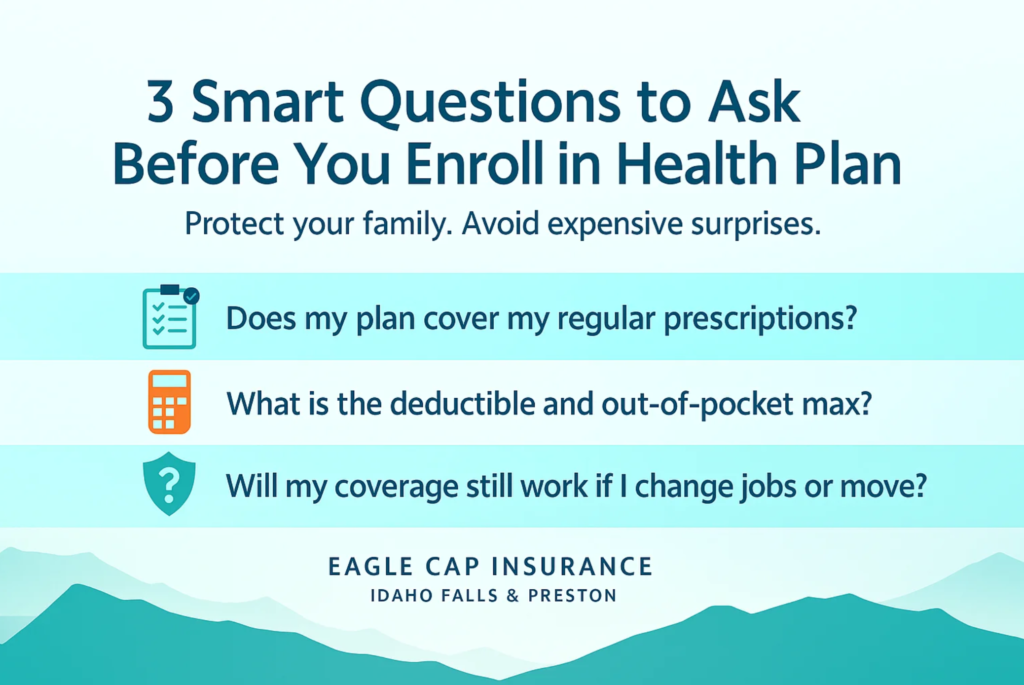
Your deductible is the amount you pay out of pocket for covered care each year before your plan starts sharing the cost. With a $2,000 deductible, you pay the first $2,000 of covered services; after that, your plan’s cost‑sharing (copays/coinsurance) kicks in until you reach your out‑of‑pocket maximum.
How It Works Through the Year
The deductible resets each plan year. Early in the year, before you’ve met it, you pay more out of pocket. Once you hit it, the plan covers a larger share. This is why a big medical event mid‑year can feel expensive up front, then cheaper afterward — you’ve satisfied the deductible.

A Few Nuances Worth Knowing
- Preventive care is often covered at no cost before the deductible on ACA plans.
- Individual vs. family deductibles — family plans may have both, with rules about how they’re met.
- Copays for some services may apply outside the deductible — check your plan.
High vs. Low Deductible: The Trade‑Off
It’s a seesaw with your premium:
- High deductible → lower premium. Great if you’re healthy and rarely use care — you save monthly and accept more risk if something happens.
- Low deductible → higher premium. Better if you expect regular care, a procedure, or have a chronic condition — you pay more monthly but far less when you use it.
The key question isn’t “which is cheaper?” but “which is cheaper for how I’ll actually use care?”
The HSA Angle
A qualified high‑deductible health plan can pair with a Health Savings Account (HSA), letting you set aside pre‑tax dollars for medical costs. For healthy savers, this combination offsets a higher deductible and adds a tax advantage — a smart structure when it fits.

How to Choose
- Estimate your expected care for the year.
- Check whether you could cover the deductible if a surprise hit.
- Compare total annual cost — premium plus likely out‑of‑pocket — across options.
- Consider an HSA if you lean toward a high‑deductible plan.
Frequently Asked Questions
What is a health insurance deductible?
A deductible is the amount you pay out of pocket for covered care each year before your plan begins sharing costs. For example, with a $2,000 deductible, you pay the first $2,000 of covered care, then the plan’s cost-sharing kicks in.
Is a higher or lower deductible better?
A higher deductible means a lower premium but more cost if you use care; a lower deductible means a higher premium but less cost when you do. The right choice depends on your expected care and whether you can cover the deductible if needed.
Does everything count toward my deductible?
Not always. Many plans cover preventive care at no cost before the deductible, and some services have copays that may or may not apply to it. Check your plan’s specifics.
What is an HSA and how does it relate to deductibles?
A Health Savings Account pairs with a qualified high-deductible health plan and lets you save pre-tax money for medical costs. It can offset a higher deductible while giving you a tax advantage.
Call (208) 529-1522 or visit eaglecapinsurance.com/contact and we’ll help you pick the deductible that actually costs you the least given how you use care — HSA options included. Free and local.
About the author — Kyle Bennett, Principal & Licensed Insurance Agent, Eagle Cap Insurance, Ammon, ID. Kyle is a licensed independent insurance agent and the principal of Eagle Cap Insurance, helping Idahoans choose cost-smart coverage, serving eastern Idaho from Idaho Falls (Ammon) and Preston.