






Ever wondered why your neighbor pays less than you for what looks like the same coverage — or why your premium jumped at renewal? Premiums aren’t arbitrary. They’re built from a specific set of factors, and understanding them explains the differences and points to where you can actually save.
Premiums Reflect Risk and Choices
An insurance premium is the insurer’s price for taking on your risk, adjusted for the choices you make about coverage. Two people differ on both, so they pay differently. Some factors you control; others you don’t — and a few (like your health, for ACA plans) legally can’t be used.
The Key Factors
- Age — a major driver for health and life premiums.
- Location — your Idaho area affects the rating.
- Coverage amount — higher limits or benefits cost more.
- Deductible — a higher deductible lowers the premium.
- Tobacco use — raises health and life premiums.
- Line‑specific risk — occupation for disability, industry for business, etc.
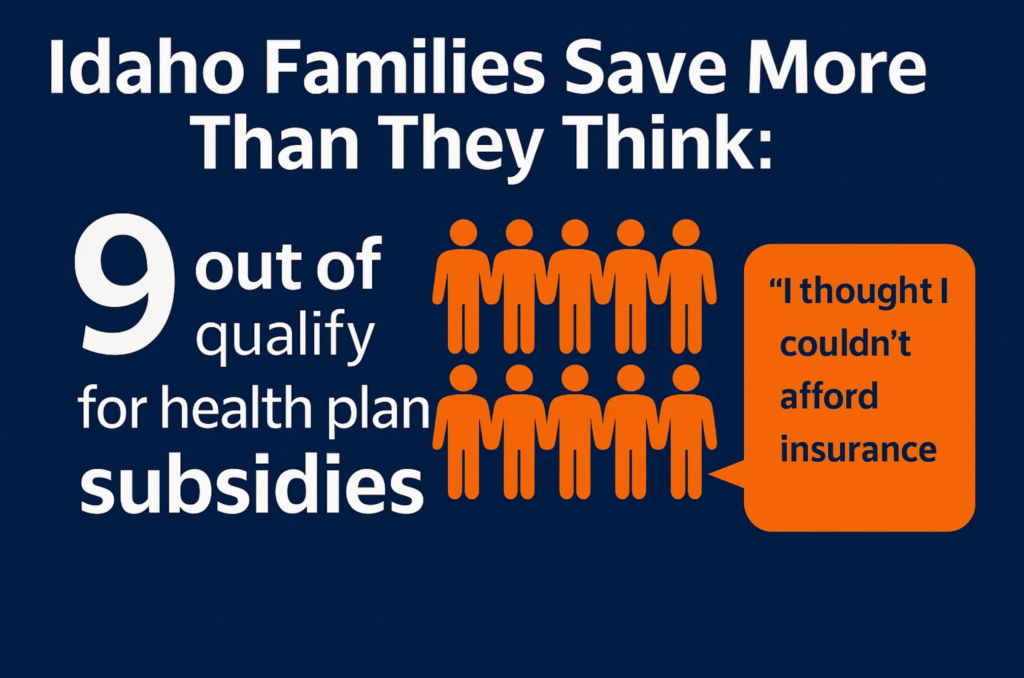
- Subsidy — for health, income determines a premium tax credit that changes your net cost.

What Can’t Be Used (for Health)
Importantly, ACA health plans cannot charge you more for your medical history or pre‑existing conditions. Health premiums come down to age, location, tobacco, and the plan you pick — not how healthy or sick you are. That’s a key consumer protection worth knowing.
Why Your Premium Changed
If your renewal premium rose, the usual culprits are: you got a year older, broader medical‑cost and market trends, a change to the plan itself, or a shift in your subsidy (for health). It’s rarely personal — but it’s always worth reviewing rather than just accepting.

Understanding What Influences Your Insurance Premiums
- Right‑size your deductible — raise it if you can absorb it.
- Capture subsidies and discounts you qualify for.
- Bundle coverage where it earns a break.
- Improve controllable factors — e.g., tobacco‑free rates.
- Re‑shop periodically — the market moves; an independent agent compares carriers for you.
Frequently Asked Questions
Why do two people pay different insurance premiums?
Premiums reflect risk factors and choices that differ by person, such as age, location, coverage amount, deductible, and line-specific factors. For health plans, income also affects the subsidy, which changes the net premium.
Why did my premium go up this year?
Common reasons include getting older, broader market or medical cost trends, changes to your plan, or a change in your subsidy. A renewal review helps you understand the increase and shop alternatives.
Can my health be used to set my health premium?
No. ACA health plans cannot charge more based on your medical history or pre-existing conditions. Health premiums are based on age, location, tobacco use, and plan, not your health status.
What’s the best way to lower my premium?
Right-size your deductible, capture every discount and subsidy, bundle where it helps, improve controllable risk factors like tobacco use, and re-shop the market periodically with an independent agent.
Call (208) 529-1522 or visit eaglecapinsurance.com/contact and we’ll explain what’s driving your premium and re‑shop the market to lower it where we can — across every line we offer. Free, no pressure.
About the author — Kyle Bennett, Principal & Licensed Insurance Agent, Eagle Cap Insurance, Ammon, ID. Kyle is a licensed independent insurance agent and the principal of Eagle Cap Insurance, helping Idahoans understand and lower their premiums, serving eastern Idaho from Idaho Falls (Ammon) and Preston.