






Sometimes you just need coverage to get from here to there — a few months between jobs, a gap before Medicare starts, or the stretch after aging off a parent’s plan. That’s the situation short-term health insurance is built for. It’s faster and cheaper than a full ACA plan, but it comes with real trade-offs you need to understand before you buy.
This guide explains when short-term health insurance makes sense for Idaho residents, what it covers and what it doesn’t, and how to decide between a short-term plan and a marketplace plan.
What Short-Term Health Insurance Is
Short-term, limited-duration insurance (STLDI) is temporary coverage designed to bridge a gap. It can usually start within days, costs less than a comprehensive plan, and lets you pick a coverage period that matches your gap. That speed and price are the appeal.
The trade-off: short-term plans are not ACA-compliant. They can deny coverage or charge more based on health history, and they typically exclude key benefits.
When It Makes Sense
A short-term plan can be a smart bridge if you’re:
- Between jobs and waiting for new employer coverage to start
- Recently aged off a parent’s plan at 26 and not yet covered elsewhere
- Waiting out a gap before a marketplace plan or Medicare begins
- Missed open enrollment and don’t qualify for a special enrollment period
That last point is important: if you’ve had a qualifying life event, you may be able to get a full ACA plan right now instead. Check our guide to the special enrollment period before defaulting to short-term.

What Short-Term Plans Usually Don’t Cover
This is where people get burned. Short-term plans commonly exclude or limit:
- Pre-existing conditions — often not covered at all
- Essential health benefits like maternity, mental health, and prescription drugs
- Preventive care with no cost-sharing (a standard ACA feature)
Because they can exclude pre-existing conditions, short-term plans are a poor fit if you manage an ongoing condition or expect significant care. In those cases a marketplace plan is almost always the better protection.
Short-Term vs. an ACA Marketplace Plan
| Short-term | ACA marketplace | |
|---|---|---|
| Starts | Within days | Set effective dates |
| Cost | Lower premium | Higher, but subsidies available |
| Pre-existing conditions | Often excluded | Always covered |
| Essential benefits | Limited | Required |
| Subsidies | No | Yes, via Your Health Idaho |
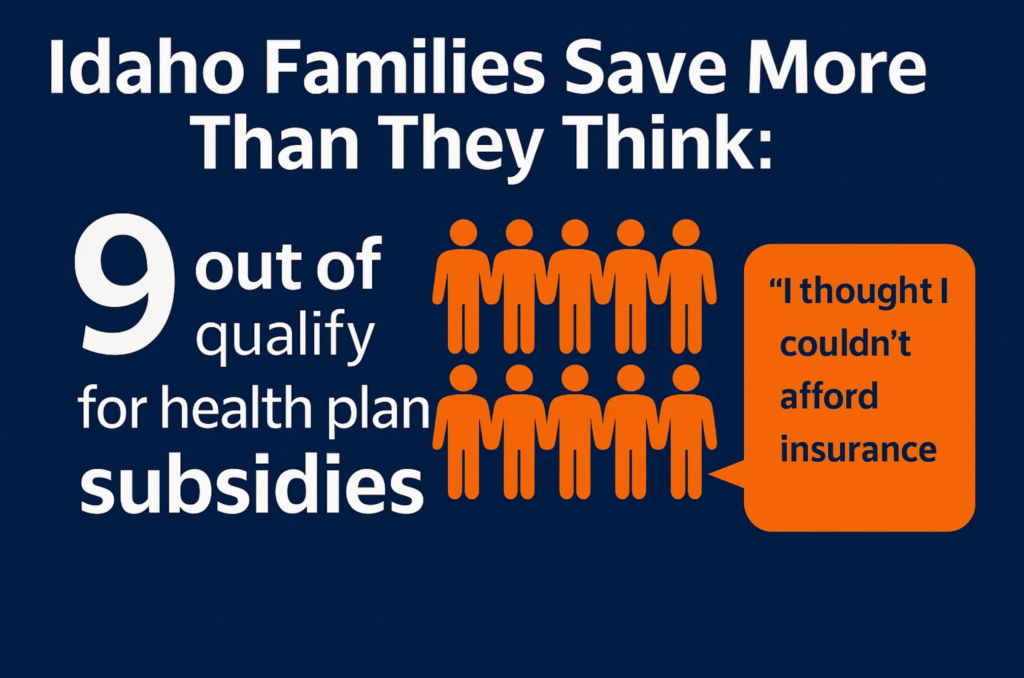
Before choosing short-term for price alone, check whether a premium tax credit would make a full individual or family plan more affordable than you expect. We can compare both side by side using our plan comparison approach.

Get Local Guidance Before You Decide
Short-term insurance is a useful tool in the right situation and a costly mistake in the wrong one. The deciding factors — your health, the length of your gap, and whether you qualify for a subsidized plan — are exactly what a local agent can sort out with you in one conversation.
Call (208) 529-1522 or visit eaglecapinsurance.com to find out whether a short-term plan or a marketplace plan is the smarter bridge for your situation. We’ll compare both honestly — no pressure.
Frequently Asked Questions
What is short-term health insurance?
Short-term, limited-duration insurance is temporary coverage designed to bridge a gap, such as between jobs or before Medicare starts. It can start within days and costs less than a full plan.
What does short-term health insurance not cover?
Short-term plans are not ACA-compliant and commonly exclude pre-existing conditions and limit essential benefits like maternity, mental health, and prescriptions. They are a bridge, not full protection.
When does a short-term plan make sense?
It can be a smart bridge if you are between jobs, recently aged off a parent's plan, waiting for other coverage to begin, or missed open enrollment without a qualifying event.
Is a short-term plan better than a marketplace plan?
Usually not, if you qualify for a subsidy or have ongoing health needs. Before choosing short-term for price alone, check whether a premium tax credit makes a full plan more affordable than expected.
About the author — Kyle Bennett, Principal & Licensed Insurance Agent, Eagle Cap Insurance, Ammon, ID. Kyle helps Idahoans weigh short-term and marketplace coverage to avoid costly gaps, serving eastern Idaho from Idaho Falls (Ammon) and Preston.