





Insurance Services in Rigby: Your Guide from Eagle Cap Insurance
By Kyle Bennett, Eagle Cap Insurance
Insurance is a foundational element of financial planning; it provides individuals and businesses with protection against unexpected losses. Residents of Rigby, Idaho, have access to a variety of insurance services for both personal and commercial needs. This article explains the principal types of coverage, outlines factors to consider when choosing policies, and describes the advantages of partnering with a local provider such as Eagle Cap Insurance. It also explains how Rigby clients can request a complimentary insurance assessment and answers common questions about claims procedures so clients can make well-informed decisions about their insurance arrangements.
Types of Insurance Offered
Rigby offers a spectrum of insurance products to meet different needs. The principal categories are outlined below.
- Commercial Insurance: This insurance protects businesses from a range of risks, including property damage, liability claims, and employee-related exposures. It helps safeguard business assets and supports operational continuity.
- Personal Insurance: Personal insurance includes auto, home, and health policies that provide financial protection against personal liabilities and unexpected events.
- Medicare Insurance: For seniors, Medicare insurance delivers essential health coverage that helps manage medical expenses and ensures access to needed healthcare services.
Understanding these categories is necessary to choose policies that align with a client’s personal or business objectives and risk profile.
Specifically, homeowners insurance plays a critical role in mitigating severe weather risks, with insurers continuously refining risk classification and pricing methods.
Homeowners Insurance Risk Classification & Pricing
Property insurance is critical for reducing household exposure to severe weather risks and aiding in recovery when disaster strikes. As climate risks escalate, insurers are investing in more sophisticated methods to classify and price complex disaster risks. We use proprietary data on parcel-level wildfire risk, together with insurers’ regulatory filings, to investigate how wildfire risk insurance is being priced and provided in a large market for homeowners insurance.
How are insurance markets adapting to climate change? risk classification and pricing in the market for homeowners insurance, J Boomhower, 2024
Key Considerations for Selecting Coverage
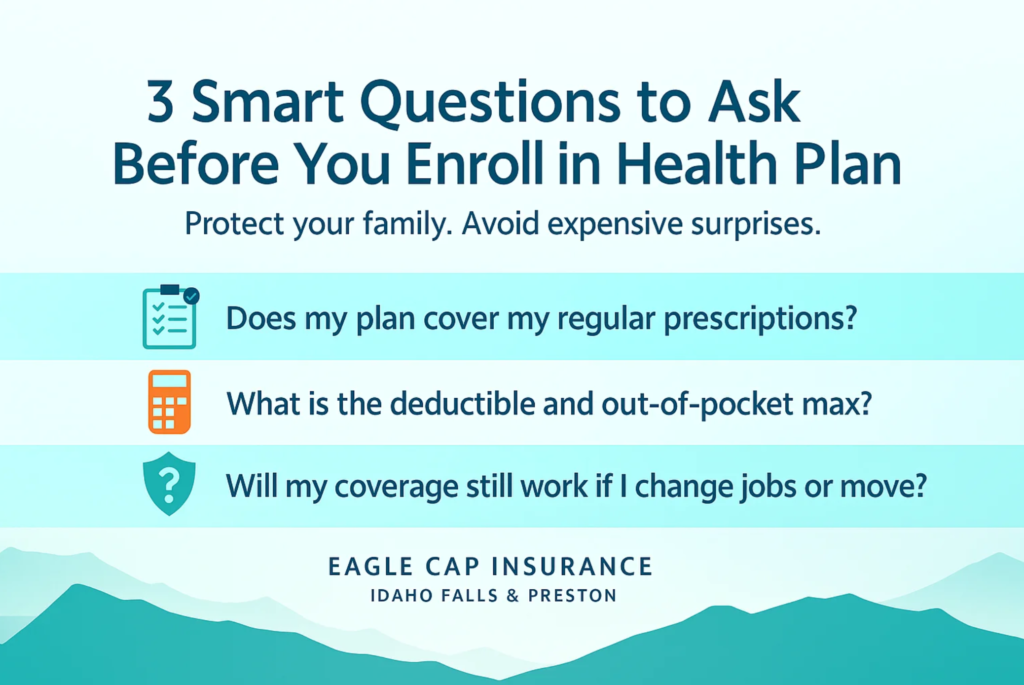
When selecting insurance, consider several factors to ensure adequate protection and good value. The items below are central to an effective assessment.
- Assess Personal Needs: Evaluate your requirements based on lifestyle, assets, and likely risks. This assessment identifies the most suitable insurance policies.
- Consult Knowledgeable Agents: Engaging experienced agents provides insights into available options and helps tailor coverage to unique circumstances.
- Conduct Annual Reviews: Regularly reviewing policies keeps coverage relevant as circumstances change, such as life events or business growth.
Addressing these considerations supports smarter policy selection and helps maintain appropriate protection as needs evolve.
Benefits of Working with Eagle Cap Insurance

Working with a local provider such as Eagle Cap Insurance offers practical advantages for Rigby clients.
- Personalized Service: Local agents understand the community’s specific needs and can deliver tailored insurance solutions that match individual circumstances.
- Local Expertise: With knowledge of the local market, Eagle Cap Insurance can recommend the coverage options that best suit Rigby residents and businesses.
- Ongoing Support: Clients receive continued support from policy selection through claims assistance, improving clarity and outcomes when issues arise.
These benefits lead to more relevant coverage choices and reliable local support over the long term.
How Can Rigby Clients Obtain a Free Insurance Assessment?
Rigby clients may request a complimentary insurance assessment through a simple process.
- Contact Eagle Cap Insurance: Reach out to the agency via phone at 208-552-2822 to express interest in a free assessment.
- Schedule the Assessment: Arrange a convenient time for an agent to discuss your needs and review your current coverage.
- Receive Personalized Recommendations: After the assessment, clients receive tailored recommendations to improve their insurance based on specific needs.
This process gives clients expert analysis and practical suggestions to optimise their insurance arrangements.
What Are Common Insurance Questions and Claims Procedures in Rigby?
Knowing common questions and the claims process helps when incidents occur. The items below address typical client concerns.
- How to file a claim?: To file a claim, contact your insurer directly and provide documentation about the incident.
- What are common insurance questions?: Clients often ask about coverage limits, deductibles, and the claims process. Clarify these with your agent.
- What factors influence insurance costs?: Premiums depend on coverage type, the insured’s risk profile, and market conditions.
Clear answers help clients understand policies and navigate claims with greater confidence.
Further research emphasizes the importance of effective claims management and customer advice in ensuring a positive client experience.
Insurance Claims Management & Customer Advice
give more knowledge for advising customers in future claim processes and give insight into how well different insurance companies handle their insurance claims for the customer.
Transforming insurance claims management: A study on business process management in the insurance industry, 2024
Frequently Asked Questions
What should I consider when choosing between commercial and personal insurance?
Determine the nature of the exposure to be insured. Commercial insurance protects business operations, assets, and liabilities; personal insurance covers individual needs such as auto, home, and health. Evaluate asset value, likely liabilities, and the specific risks in each context. Consult an insurance professional to identify the most appropriate coverage mix.
How often should I review my insurance policies?
Review policies at least annually and after significant life or business changes, such as marriage, a new child, property acquisition, or business expansion. Regular reviews ensure limits, deductibles, and coverages remain aligned with current needs.
What is the process for switching insurance providers?
Obtain and compare quotes from prospective insurers to identify suitable coverage and pricing. Notify your current insurer of the intended cancellation and confirm any fees or notice periods. Arrange the effective date of the new policy to avoid coverage gaps and review both policies’ terms before finalising the change.
Are there discounts available for bundling insurance policies?
Yes. Many insurers offer discounts when clients combine multiple policies, such as home and auto. Bundling can reduce premiums, but compare the bundled cost and coverages against separate policies to confirm the best financial and coverage outcome.
What should I do if my insurance claim is denied?
Review the denial notice to identify the stated reasons. Common causes include insufficient documentation or policy exclusions. Contact the insurer for clarification and submit additional evidence if appropriate. If you dispute the decision, follow the insurer’s appeal process and consider consulting an insurance adviser or legal professional for further assistance.
How can I ensure I have adequate coverage for natural disasters?
Assess the hazards in your area, such as floods, earthquakes, or wildfires. Verify whether existing policies include those perils and, if necessary, obtain additional riders or specialised policies (for example, flood insurance). Seek guidance from an informed agent to select coverage tailored to geographic and personal risk factors.
What role does an insurance agent play in the claims process?
An insurance agent acts as an intermediary between the client and the insurer. Agents clarify policy terms, assist in compiling required documentation, and guide clients through filing procedures. When issues arise, a knowledgeable agent can advocate for the client and help resolve claim-related disputes.