




Comprehensive Insurance Solutions for Idaho Agricultural Businesses: Protecting Farms, Crops, and Livestock
By Kyle Bennett, Eagle Cap Insurance
Idaho agricultural businesses require tailored insurance to protect operations from region‑specific risks. Weather volatility, liability exposures, and market fluctuations demand clear coverage choices for farmers and ranchers. This article reviews farm liability, crop, and livestock insurance, explains how each mitigates local hazards, and outlines the steps to obtain accurate quotes. After reading, you’ll understand how to secure appropriate protection for your agricultural enterprise in Idaho.
What Types of Farm Liability Insurance Are Essential for Idaho Agricultural Operations?
Farm liability insurance protects agricultural enterprises from lawsuits and claims arising from on‑farm accidents or injuries. It typically covers legal defence costs, medical expenses, and awarded damages. For Idaho farmers, adequate liability limits are essential given the operational hazards common to farming.
Understanding Farm Liability Coverage and Its Importance
Liability coverage addresses claims for bodily injury and property damage that occur on farm premises. It reduces the financial impact of litigation and settlements, which can otherwise threaten small operations. For example, if a visitor is injured, liability insurance can pay medical costs and legal fees, preventing severe financial loss.
How Idaho-Specific Risks Influence Liability Insurance Needs
Idaho’s agricultural environment presents specific exposures—variable weather, livestock interactions, and heavy machinery use—that increase the risk of incidents. Farmers should evaluate these factors when selecting coverage and confirm that policy limits and endorsements match their operational profile.
Which Crop Insurance Options Best Safeguard Idaho Farmers?
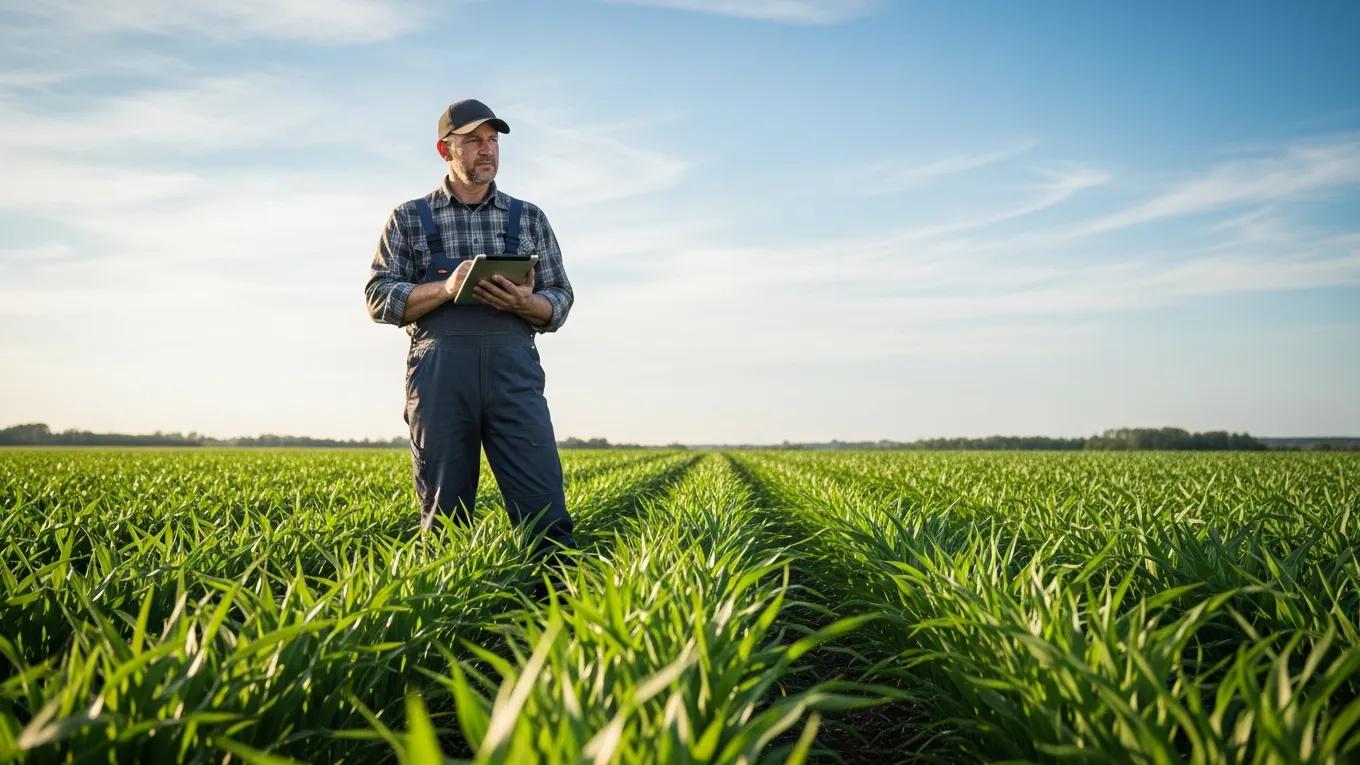
Crop insurance protects Idaho growers‘ investments against events such as drought, hail, and disease. Understanding available policy types enables growers to select coverage aligned with their crop mix and production risks.
Overview of Crop Hail and Yield Protection Insurance
Crop‑hail insurance covers damage caused by hail, a frequent and acute threat to Idaho crops. Yield protection policies compensate for revenue loss when production falls below insured levels. Together, these coverages help limit financial losses from adverse weather and crop failure.
Research shows climatic variability across Idaho contributes to agricultural insurance losses, reinforcing the need for comprehensive coverage.
Climatic Damage & Agricultural Insurance Loss in Idaho
The spatial diversity of cropping systems in Idaho, Oregon, and Washington means the iPNW sub‑region provides a relatively homogeneous, well‑distributed dryland agricultural landscape suited to study how climatic damage causes vary in agricultural insurance losses.
Climatic damage cause variations of agricultural insurance loss for the Pacific Northwest Region of the United States, E Seamon, 2023
Benefits of Localized Crop Insurance Coverage in Idaho
Working with insurers familiar with regional conditions enables tailored policies that address local risks. Local expertise improves financial resilience and reduces the likelihood of coverage gaps for Idaho producers.
Local agents’ location and expertise play a critical role in delivering effective crop insurance solutions to producers.
Federal Crop Insurance Program Agent Location Analysis
This article contributes to the body of knowledge on crop insurance policy and suggests that agglomeration or localization economies may exist within the crop insurance industry.
Mapping agents: A spatial economic analysis of agent location in the Federal Crop Insurance Program, ND DeLay, 2025
How Does Livestock Insurance Coverage Support Idaho Ranchers?
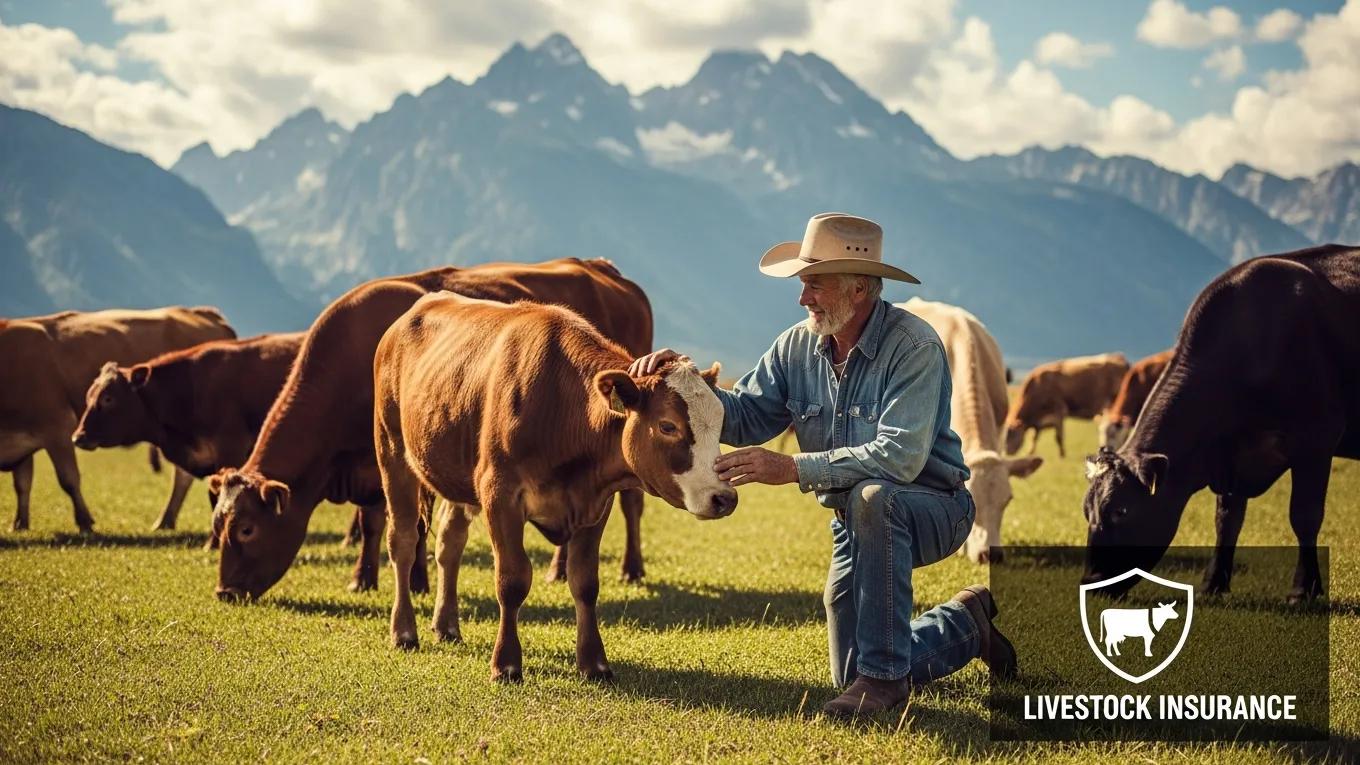
Livestock insurance provides Idaho ranchers with financial protection for animals lost to accidents, disease, or theft. It helps preserve operational viability when unexpected losses occur.
Awareness of livestock insurance as a risk‑management tool remains limited among farmers.
Livestock Farming Risk Management & Insurance Policies
This study examines risk in livestock farming and the use of insurance as a risk‑management tool. It found that only 10% of farmers had knowledge of any form of livestock insurance.
Managing risk in livestock farming: The role of insurance companies, 2016
Key Features of Livestock Insurance Policies
Policies commonly cover cattle, sheep, and goats and include limits, exclusions, and optional endorsements. Choosing appropriate limits and endorsements ensures the policy aligns with the rancher’s specific exposures.
Managing Risks Unique to Idaho Livestock Farming
Idaho ranchers face risks such as disease outbreaks and market volatility that can materially affect operations. Livestock insurance provides financial support after loss; ranchers should assess exposures and choose policies offering comprehensive protection.
How Can Idaho Agribusinesses Obtain Accurate Insurance Quotes and Assessments?
Accurate quotes enable agribusinesses to secure appropriate coverage at a competitive cost. Understanding the quoting process streamlines decision‑making and reduces the risk of coverage gaps.
The Process of Free Insurance Assessments by Eagle Cap Insurance
Eagle Cap Insurance provides free assessments to identify specific insurance needs. The process evaluates operations, exposures, and current coverage so the insurer can recommend tailored protections for Idaho farmers and ranchers.
Steps to Secure Customized Agribusiness Insurance Quotes in Idaho
To secure customized agribusiness insurance quotes, Idaho farmers should follow these steps:
- Assess Specific Needs: Evaluate the unique risks associated with your agricultural operations.
- Gather Relevant Information: Compile necessary documentation, including details about your farm, livestock, and equipment.
- Consult with Insurance Experts: Work with professionals like Eagle Cap Insurance to receive tailored quotes that meet your specific requirements.
Following these steps helps agribusinesses obtain accurate, beneficial coverage tailored to their operations.
Frequently Asked Questions
What factors should Idaho farmers consider when choosing insurance coverage?
Farmers should assess risks tied to their operations—weather patterns, crop types, and livestock practices—and consider local liabilities. They should review asset values and the potential financial impact of losses. Consulting local insurance professionals provides tailored guidance aligned with each farm’s circumstances.
How can farmers in Idaho stay informed about changes in agricultural insurance policies?
Farmers can stay informed by subscribing to industry newsletters, attending local agricultural meetings, and participating in workshops offered by insurers. Engaging with agricultural associations and cooperatives provides timely policy updates. Reputable online forums and professional networks also offer relevant regulatory and market information.
Are there any government programs that support agricultural insurance in Idaho?
Several government programs support agricultural insurance in Idaho. The USDA’s Federal Crop Insurance Program offers options to protect against crop losses from natural disasters. The Risk Management Agency (RMA) provides resources and educational materials. State programs may also assist farmers in obtaining affordable coverage and managing operational risks.
What are the common exclusions in agricultural insurance policies?
Common exclusions include losses due to neglect, intentional damage, or failure to follow recommended farming practices. Some policies exclude certain perils, such as floods or earthquakes, unless specifically endorsed. Farmers should review policy documents carefully and consult an agent to clarify exclusions and options for additional coverage.
How can ranchers assess the value of their livestock for insurance purposes?
Ranchers should consider breed, age, health, and current market demand when assessing livestock value. Regular inventory records of purchases and sales provide clear valuation data. Professional appraisals or advice from agricultural extension agents can help determine appropriate coverage amounts.
What steps can agribusinesses take to reduce insurance premiums?
To reduce premiums, implement risk‑management practices: maintain equipment, provide employee training, and invest in safety measures. Bundling multiple policies with a single provider may yield discounts. Maintaining a positive claims history and regularly reviewing coverage prevents over‑insurance and supports lower long‑term costs.