







Disability Insurance for Idaho Workers: A Complete Guide
By Kyle Bennett, Eagle Cap Insurance
Disability insurance gives Idaho workers a financial safety net when illness or injury prevents job performance. This guide summarises key policy types, typical benefits, the application and claims process, and practical considerations to help workers choose appropriate coverage.
Overview: Disability Insurance Guide for Idaho Workers
Workers can choose from several types of disability insurance tailored to different durations and circumstances.
- Short-Term Disability Insurance: Temporary income support for a few months, suitable for recovery from surgery or short illnesses.
- Long-Term Disability Insurance: Extended income protection, often to retirement age, for chronic or severe conditions.
- Group Disability Insurance: Employer-provided coverage that usually costs less and may be easier to obtain than individual plans.
Select a policy that matches your job risks, health, and budget.
Available Benefits
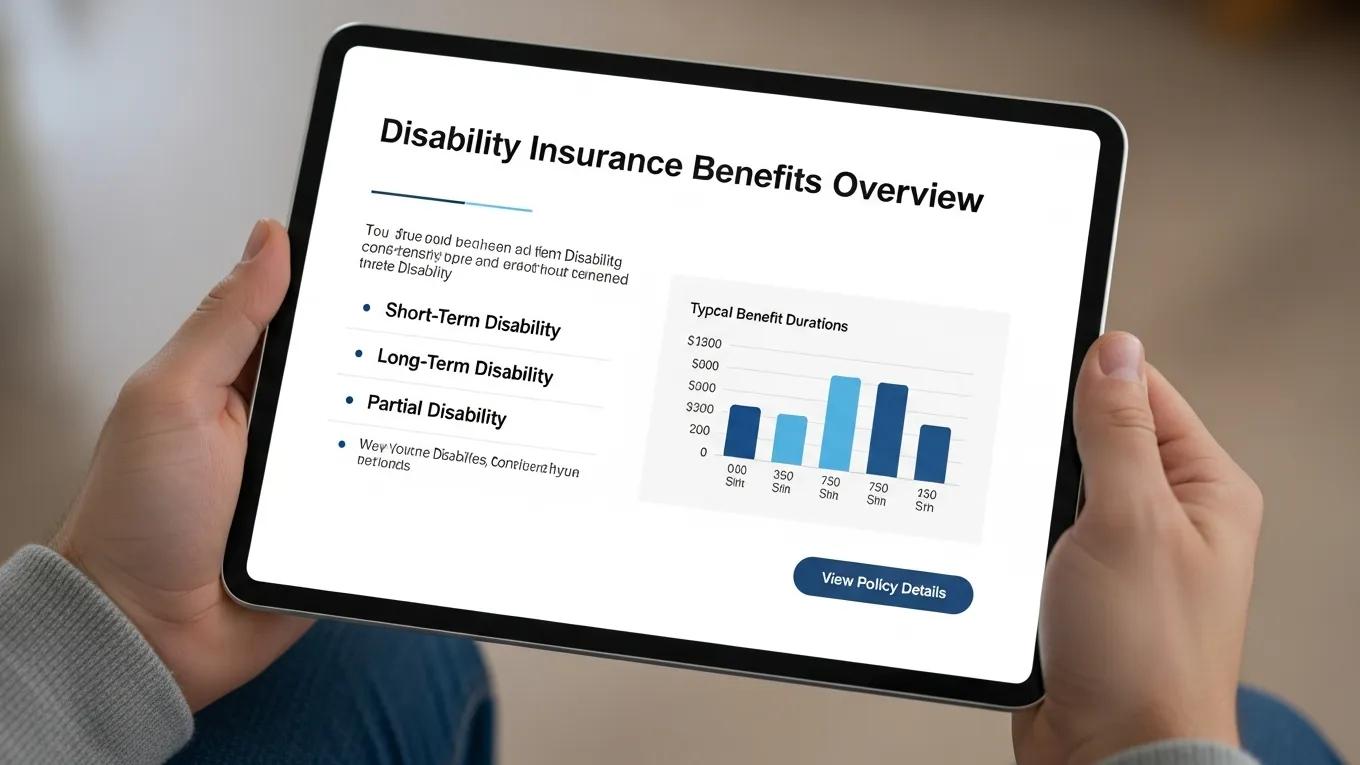
Common benefits preserve income and reduce financial pressure while you recover.
- Income Replacement: Replaces a portion of lost wages so household bills can be met.
- Coverage for Various Conditions: Many policies include physical and mental health conditions, though specifics vary by plan.
- Financial Stability During Recovery: Benefits let workers focus on care rather than immediate finances.
Compare policies to ensure the replacement rate and covered conditions align with your needs.
Application Process

Follow a clear sequence to apply efficiently and reduce processing delays.
- Assess Your Needs: Decide whether short-term, long-term, or group coverage fits your situation.
- Contact an Insurance Agency: Discuss options with a reputable provider or agent.
- Complete the Application: Provide accurate employment and medical information to avoid processing problems.
Eagle Cap Insurance offers free assessments to help Idaho workers compare options and select coverage that fits their medical profile and finances.
Important Considerations
Key policy details affect whether coverage will be useful when needed.
- Waiting Periods: The delay before benefits begin varies; match the waiting period to your savings or other coverage.
- Exclusions: Policies often exclude pre-existing conditions or specific causes of disability.
- Cost Factors: Premiums reflect age, occupation, benefit amount, and waiting period.
Review terms carefully, including definitions of disability and any limitations on benefit duration.
Claiming Benefits
Timely, complete documentation and following insurer procedures reduce the risk of denials or delays.
- Submitting Claim Forms: File the insurer’s forms promptly.
- Medical Documentation: Supply supporting diagnoses and treatment records.
- Adhering to Guidelines: Meet deadlines and follow instructions to avoid avoidable problems.
Keep copies of all submissions and maintain communication with your insurer during the review.
What Types of Disability Insurance Are Available for Idaho Workers?
Short-term, long-term, and employer-sponsored group policies are the main choices, each balancing cost, eligibility, and duration of benefits.
Short-Term Disability Insurance
Provides temporary income while recovering from short-term medical events, typically lasting a few months.
Long-Term Disability Insurance
Offers longer-term income protection for serious or chronic conditions that prevent returning to work.
Eligibility Criteria
Eligibility depends on policy rules and usually requires employment evidence and medical documentation of incapacity.
- Employment Status: Full- or part-time employment may be required, depending on the plan.
- Medical Condition: Documentation that you cannot perform your job duties is typically necessary.
Coverage Specifics
Compare replacement percentages, benefit duration, and condition lists to pick an adequate policy.
- Income Replacement Percentages: Many policies replace around 60% to 80% of pre-disability earnings.
- Common Conditions Covered: Injuries, illnesses, and mental health issues may be covered; check details.
Additional Considerations
Employer group plans are often more affordable but may offer less control than individual policies.
- Group Disability Insurance: Easier enrollment and lower cost are common advantages.
- Common Misconceptions: Know the difference between short- and long-term plans to avoid gaps in protection.
Understanding Short Term Disability Insurance Coverage in Idaho
Short-term policies replace part of wages for a limited time so workers can recover without immediate income loss.
Exploring Long Term Disability Insurance Options for Idaho Employees
Long-term coverage supports employees who cannot return to work for an extended period and may continue benefits until retirement in some plans.
How Do Idaho Workers Qualify for Disability Insurance Benefits?
Qualification requires meeting insurer-defined criteria such as a qualifying medical condition and any work-history or waiting-period requirements.
Eligibility Criteria for Short and Long Term Disability Insurance in Idaho
Workers must typically show sufficient work history and meet any specified waiting periods before benefits start.
- Work History: A consistent employment record may be required.
- Waiting Periods: Plan waiting times affect when benefits begin and should be planned for.
Navigating Idaho Workers Compensation and State Disability Regulations
Understand how workers’ compensation, state programs, and private disability insurance interact to avoid overlapping claims or coverage gaps.
What Are the Costs and Benefits of Disability Insurance in Idaho?
Premiums vary by personal and policy factors; benefits typically replace income and provide stability during incapacity.
Factors Influencing Disability Insurance Cost for Idaho Workers
Underwriting considers age, occupation, and health when setting premiums.
- Age: Older applicants often face higher rates.
- Occupation: High-risk jobs can increase premium costs.
Key Benefits and Income Protection Offered by Disability Insurance
Disability insurance helps preserve earnings for essential expenses—housing, utilities, and daily costs—while you recover.
How Can Idaho Workers Apply for Disability Insurance Coverage?
Efficient preparation and guidance from a knowledgeable agent or insurer simplify the application process.
Step-by-Step Guide to Applying for Disability Insurance in Idaho
- Contact an Insurance Agency: Discuss suitable policy types with a local provider.
- Gather Necessary Documentation: Collect medical records and employment history before applying.
- Submit Your Application: Complete the application and provide accurate supporting information for underwriting.
Eagle Cap Insurance can assist Idaho workers with free assessments to match coverage to individual needs.
Frequently Asked Questions
What is the difference between short-term and long-term disability insurance?
Short-term insurance provides temporary wage replacement for brief recoveries; long-term insurance covers extended or permanent disabilities and typically pays until retirement age or a specified period.
Are there any exclusions in disability insurance policies?
Yes. Many policies exclude pre-existing conditions, self-inflicted injuries, and disabilities from illegal activity. Review exclusions carefully before buying.
How do I know if I qualify for disability insurance benefits?
Qualification depends on the insurer’s rules—usually employment status, medical proof that you cannot work, and any required work history or waiting periods.
What factors influence the cost of disability insurance in Idaho?
Premiums depend on age, occupation, health, chosen replacement level, and waiting period. More generous benefits and shorter waits raise cost.
Can I apply for disability insurance if I have a pre-existing condition?
Possibly. Some insurers allow applications but may exclude the condition or charge higher premiums; full disclosure is important.
What should I do if my disability claim is denied?
Review the denial for reasons, gather additional medical evidence, and follow the insurer’s appeal process; consider legal advice if needed.
How long does it take to receive benefits after applying for disability insurance?
Timing varies by insurer and claim complexity. Prompt, complete documentation and active communication with your insurer help speed the process.
Author
Kyle Bennett
Write for me
Based on entire block
Quota 0/1000000
Founder & Insurance Advisor – Eagle Cap Insurance
20+ years in business strategy and insurance planning
Specializing in Idaho Falls families, self-employed professionals, and business owners