



Commercial Auto Insurance for Idaho Fleets: A Complete Guide
By Kyle Bennett, Eagle Cap Insurance
Commercial auto insurance is essential for businesses operating vehicle fleets in Idaho. This guide summarises coverage choices, cost drivers, and compliance obligations so organisations can protect assets and meet state rules. It covers core protections, factors that affect premiums, regulatory expectations, and practical steps to structure policies for reliable fleet coverage.
Coverage Options:
Fleet operators must understand principal commercial auto coverages that protect against accidents, theft, and vehicle damage. Core options include liability protection, physical damage (collision and comprehensive), and hired and non-owned auto coverage. Together these form a baseline strategy; endorsements and coverage limits are selected to match vehicle use and exposure.
Research shows fleet characteristics, such as size, influence how commercial policies are designed and perform compared with single-vehicle plans.
Commercial Fleet vs. Single Vehicle Auto Insurance Policy Design
A “fleet” insurance policy covers a number of motor vehicles, usually five or more, owned by a business firm. The issue addressed in this paper is whether the design of such policies should differ from that of single-vehicle insurance plans. Specifically, I inquire whether the size of a fleet matters for the loss reimbursement schedules. The intuition is that, even over a single contract period (say a year), the loss experience for a large fleet may be expected to provide relatively precise information with respect to a firm’s risk class or risk management policies. Presumably, this should make it possible to provide better insurance coverage, while maintaining the screening of bad risks and the incentives to reduce accident frequencies.
Commercial Automobile Insurance: Should Fleet Policies Differ from Single Vehicle Plans?, C Fluet, 1999
Understanding Fleet Liability and Physical Damage Coverage
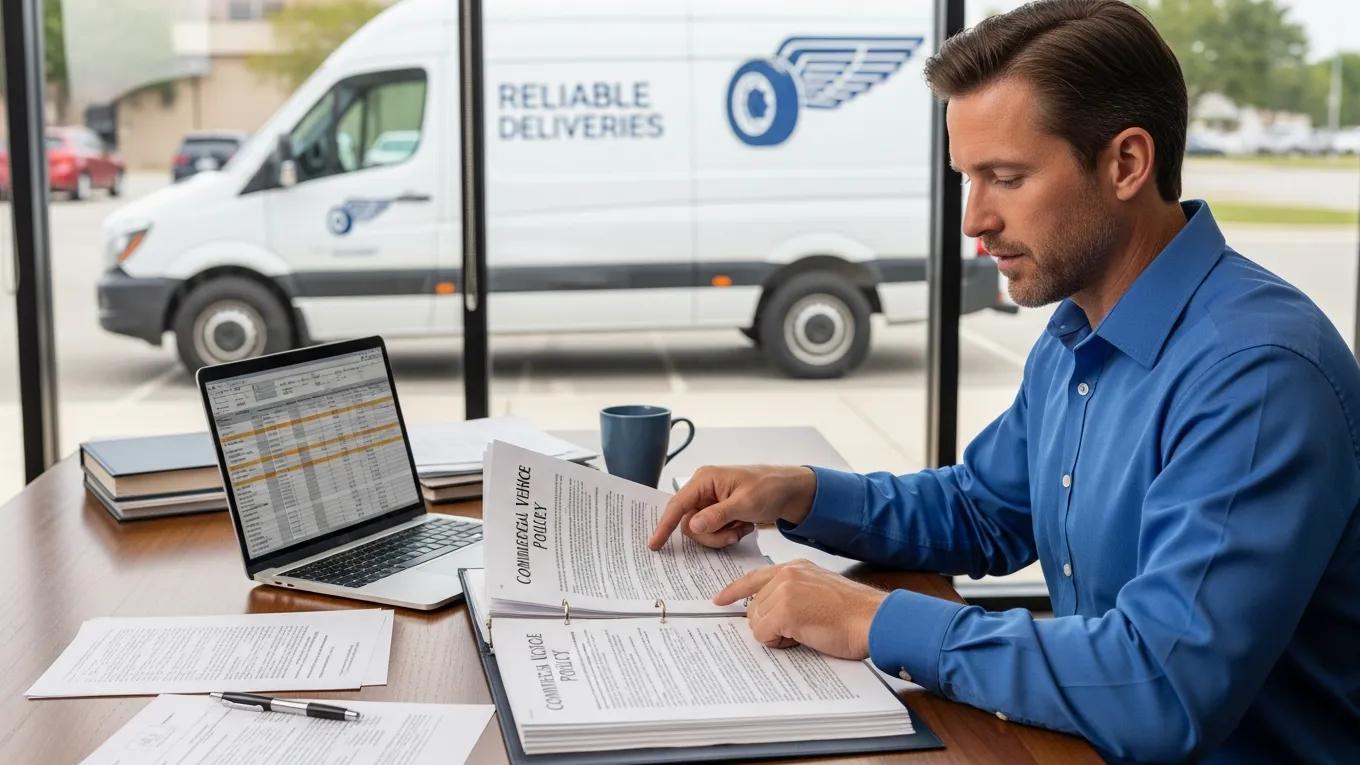
Fleet liability covers third-party claims for bodily injury and property damage from incidents involving company vehicles, enabling the business to meet legal and financial obligations. Physical damage (collision and comprehensive) pays to repair or replace fleet vehicles after accidents, theft, or vandalism. Properly placed limits and deductibles reduce out-of-pocket impact and support continuity of operations.
Exploring Commercial Truck and Business Auto Coverage Types
Commercial truck policies commonly apply to larger trucks and trailers and often include cargo and specialized liability options. Business auto coverage is broader and fits a wider range of vehicles used in operations. Managers should match policy type and endorsements to vehicle use, cargo exposure, and operational risk to avoid gaps.
Cost Considerations:
Premiums in Idaho vary by vehicle type, driver records, fleet size, and claims history. Operators should review these drivers to control costs while maintaining appropriate protection. Periodic benchmarking and limit reviews help ensure efficient risk transfer without leaving critical exposures uninsured.
Key Factors Affecting Fleet Vehicle Insurance Premiums in Idaho
Several factors influence fleet premiums in Idaho. These include:
- Vehicle Classification: Different vehicle types have varying risk profiles and costs.
- Driver Experience: Employee driving history and training materially affect rates.
- Business Size and Claims History: Larger fleets or poor claims records typically increase premiums.
Understanding these elements helps businesses negotiate terms and select limits that align with their risk tolerance.
Available Discounts for Idaho Commercial Auto Insurance
Insurers commonly offer discounts such as multi-policy bundling, safe-driver or fleet-safety credits, and savings tied to formal risk-management programs or regular policy reviews. Discount rules vary by carrier; confirm eligibility and documentation requirements with your provider to capture available savings.
Fleet managers should gather discount detail and factor savings into overall cost assessments.
Compliance Requirements:
Meeting Idaho insurance and regulatory requirements is vital. Fleet operators must maintain statutory minimum liability limits and ensure each vehicle is insured to avoid fines, licence actions, or operational interruptions.
Idaho DOT Insurance Requirements for Fleet Vehicles
The Idaho Department of Transportation sets insurance standards for commercial fleets, including minimum liability levels. Operators should confirm policies meet DOT and state mandates so operations remain compliant and avoid fines or delays.
Familiarity with the state’s motor vehicle administration framework reduces administrative friction when registering or updating fleet records.
Idaho DMV Service Model: Challenges for Fleet Compliance
This report analyzes Idaho’s DMV service delivery model, compares it to DMV arrangements in other states, and considers potential policy alternatives by conducting surveys of front-line agents in Idaho and DMV administrators in other states, as well as interviews of officials in counties and other states. The report discusses the benefits and challenges of Idaho’s arrangement and other service delivery models. The state’s current arrangement enables local access, flexibility, and autonomy, but it also leads to a lack of standardization, blurred responsibilities between state and county decision makers, funding challenges, and unnecessary layers in delivering DMV services.
Motor Vehicle Service Delivery: Analysis of Idaho’s
Model and Policy Alternatives, E Pape, 2022
Minimum Liability Coverage and Compliance Guidelines
Idaho law requires minimum liability coverage for commercial vehicles. Operators should review policies regularly to verify limits meet or exceed statutory minima. Noncompliance can lead to fines, licence actions, and significant financial exposure following an accident.
Best Practices for Structuring Coverage:
Effective policy structure lowers exposure and supports continuity. Key practices include accurate vehicle classification, working with local agents familiar with Idaho rules, and scheduled policy reviews as the fleet or operations change.
- Proper Classification of Vehicles: Ensure accurate classes to avoid coverage gaps.
- Consultation with Local Agencies: Use agents who understand Idaho requirements for tailored advice.
- Importance of Annual Policy Reviews: Review policies annually and after operational changes.
These measures help close coverage gaps, control costs, and keep fleets compliant.
Contacting Eagle Cap Insurance for a free assessment can provide local insight into optimising commercial auto coverage for Idaho fleets. As a regional specialist, Eagle Cap can recommend tailored solutions that reflect local operations.
Frequently Asked Questions
What is the difference between commercial auto insurance and personal auto insurance?
Commercial auto insurance covers vehicles used for business, with higher liability limits and business-specific options (cargo, hired vehicles). Personal auto policies cover private use and typically exclude business exposures.
How can fleet operators reduce their insurance premiums?
Reduce premiums by maintaining clean driving records, delivering safety training, performing routine maintenance, adopting risk-management practices, and bundling policies where appropriate. Regular policy reviews can surface additional savings.
What should fleet operators do if they experience a claim?
Document the incident (photos, witness details), notify the insurer promptly, provide full information, and cooperate with the adjuster. Keep records of all communications to speed resolution.
Are there specific insurance requirements for different types of commercial vehicles?
Yes. Requirements vary by vehicle class and use. Larger trucks often need cargo and specialised liability options, while smaller business vehicles may need standard business auto coverage. Check Idaho DOT rules and consult an agent for specifics.
How often should fleet operators review their insurance policies?
Review policies at least annually and whenever you add vehicles, change operations, or alter routes. Regular reviews ensure limits and endorsements match current exposures and may reveal cost efficiencies.
What are the consequences of not meeting Idaho’s minimum liability coverage requirements?
Failing to meet minimums can lead to fines, suspension of privileges, and direct financial liability for accident costs. Regular verification of limits helps avoid these risks.
Can fleet operators customize their commercial auto insurance policies?
Yes. Policies can include endorsements, adjusted liability limits, and specialised coverages to reflect vehicle types and business operations. An experienced agent can identify suitable customisations to match operational needs.