





Business Insurance for Idaho: Real ROI and Expert Case Studies
By Kyle Bennett, Eagle Cap Insurance
For Idaho small businesses, local business insurance is a practical safeguard. It reduces financial exposure, supports recovery after disruptions, and can improve customer and partner confidence. Below we summarize benefits, local case studies that show clear ROI, and practical steps for evaluating insurance investments.
Research consistently shows that insurance serves as a key safeguard for entrepreneurs against a range of unexpected events.
Economic Benefits & Protection of Small Business Insurance
Insurance provides dependable protection for the property interests of entrepreneurs and the population in the event of losses caused by fire, natural disaster, technogenic accidents, traffic accidents, and other unforeseen circumstances.
Economic aspects of the development of insurance activity of small businesses, I Samoshkina, 2019
The Financial Impact of Business Insurance in Idaho
Business insurance acts as a safety net that supports continuity, risk control, and reputation.
- Financial Protection: Covers property damage, liability claims, and employee injuries so businesses avoid crippling out-of-pocket costs.
- Risk Management: Helps identify and reduce exposures so owners can focus on growth.
- Potential ROI: Claims payouts and avoided losses can outweigh premiums over time and preserve customer trust.
Studies indicate that businesses employing mitigation measures, including insurance, are better equipped to manage hazards.
Small Business Hazard Mitigation Through Insurance
Purchase of one or more types of insurance. We found considerably higher proportions of businesses with one or more of these mitigation measures in place.
Determinants of small business hazard mitigation, 2005
How Does Business Insurance Protect Local Idaho Enterprises?
Insurance reduces the financial and operational impact of common business risks.
- Asset Protection: Replaces or repairs buildings, equipment, and inventory after covered events.
- Liability Coverage: Covers legal costs and settlements for injuries or property damage tied to your operations.
- Workers’ Compensation: Pays medical costs and lost wages for workplace injuries, supporting employee recovery and compliance.
Eagle Cap Insurance offers tailored solutions for local needs and can help align coverage with specific exposures.
What Cost Savings Can Idaho Businesses Expect from Insurance Coverage?
Well-chosen policies reduce direct losses and protect cash flow during disruptions.
- Income Protection: Business interruption coverage replaces lost revenue during covered closures.
- Overhead Expense: Helps pay ongoing fixed costs while a claim is resolved.
- Risk Transfer: Shifts large, unexpected costs to an insurer, limiting out-of-pocket spending.
The table highlights how different policies protect income and limit financial strain.
Which Local Business Insurance Case Studies Demonstrate Clear ROI?
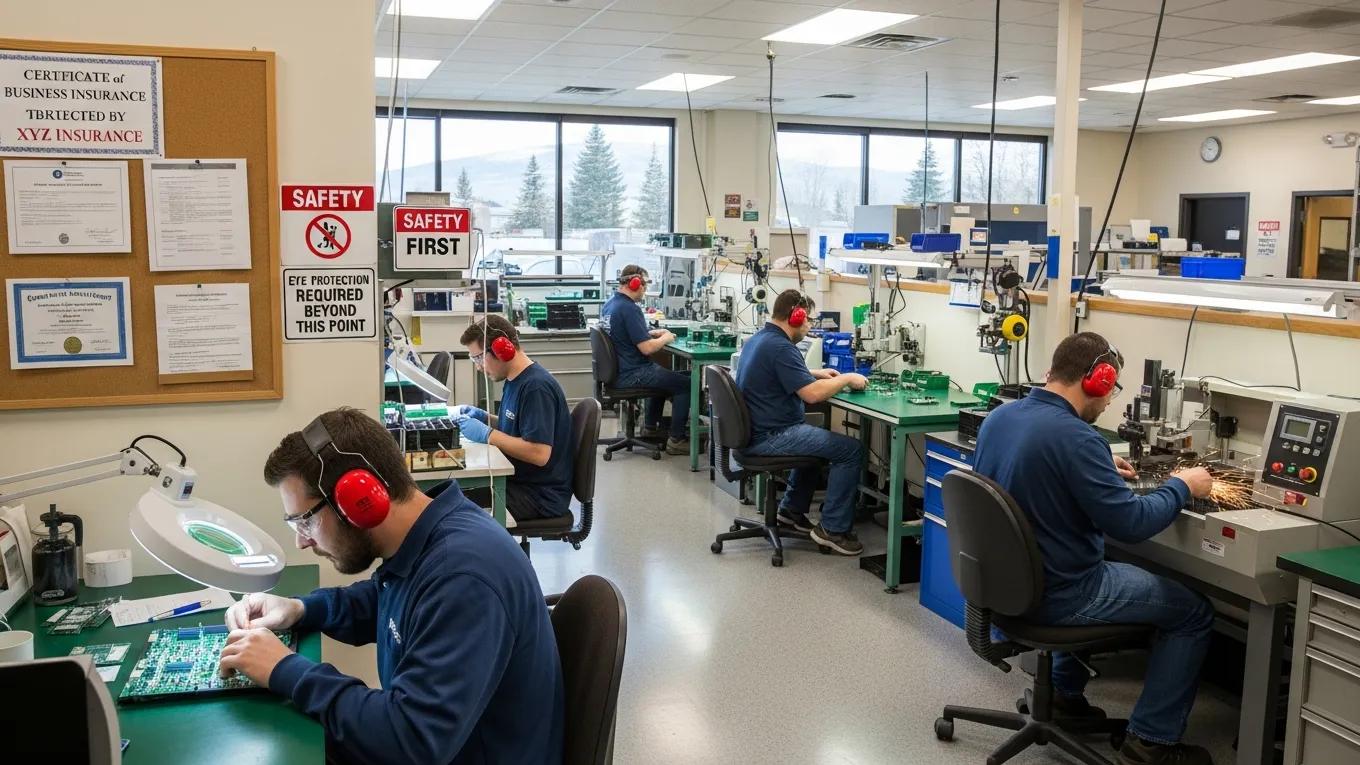
Practical local examples show how insurance preserves businesses after serious incidents.
What Are Real Examples of Insurance Success Stories in Idaho?
A small Idaho manufacturer recovered from a major fire because their policy paid for repairs and lost inventory, enabling them to resume operations within weeks and avoid bankruptcy.
How Do These Case Studies Illustrate Risk Mitigation and Financial Benefits?
A local restaurant avoided severe financial loss after a customer injury claim because liability coverage handled legal fees and settlements, protecting the business’s finances and reputation.
How Is ROI Calculated for Business Insurance in Local Idaho Markets?
ROI is measured by comparing the cost of coverage with losses avoided and claims recovered.
What Metrics Are Used to Analyze Insurance ROI?
Key metrics include:
- Premium Cost: Total premiums paid over a period.
- Losses Avoided: Estimated financial harm prevented by coverage.
- Claims Paid: Amounts reimbursed to cover incidents.
Understanding the methodology for calculating return on investment is necessary for businesses to appreciate the value of their insurance programs.
Small Business Insurance ROI Calculation
The program cost used in the ROI calculation was based on field teams that worked with small businesses.
Estimating the return on investment from a health risk management program offered to small Colorado-based employers, RZ Goetzel, 2014
How Can Idaho Businesses Assess Their Insurance Investment Returns?
Follow a simple evaluation process:
- Coverage Review: Verify policies match current operations.
- Risk Identification: List likely events and potential losses.
- Financial Comparison: Weigh premiums versus likely benefits and claim history.
Eagle Cap Insurance offers no-cost assessments to help businesses identify gaps and options.
What Is the Process for Getting a Free Insurance Assessment?
To get a free assessment from Eagle Cap Insurance:
- Contact: Call to start the assessment.
- Prepare: Gather financials, policy documents, and risk notes.
- Meet: Review findings and receive tailored recommendations.
This streamlined process helps owners choose appropriate coverage quickly.
Why Choose Eagle Cap Insurance as Your Local Business Partner?
Advantages of working locally include:
- Local Expertise: Knowledge of Idaho-specific risks and regulations.
- Personalized Service: Direct support and tailored policy options.
- Comprehensive Choices: A range of coverages to fit different businesses.
These traits make Eagle Cap Insurance a practical partner for Idaho businesses seeking reliable protection.
Frequently Asked Questions
What types of business insurance are most beneficial for Idaho small businesses?
Commonly useful coverages include general liability, property insurance, and workers’ compensation; each addresses different exposures and is chosen based on business activities.
How can businesses determine the right amount of insurance coverage?
Assess asset values, likely liabilities, and workforce needs, then consult an insurance professional to balance protection and cost.
What are the common misconceptions about business insurance?
Misconceptions include that insurance is only for large firms or that standard policies cover every risk; many businesses need customized add-ons for full protection.
How often should businesses review their insurance policies?
Review policies at least annually and after major changes like expansion, hiring, or new operations to avoid gaps.
What steps can businesses take to lower their insurance premiums?
Reduce premiums by improving safety, training staff, maintaining equipment, raising deductibles cautiously, and bundling policies when appropriate.
What role does business insurance play in attracting investors or partners?
Insurance signals sound risk management and financial stability, which can increase investor and partner confidence.
Author
Kyle Bennett
Write for me
Based on entire block
Quota 0/1000000
Founder & Insurance Advisor – Eagle Cap Insurance
20+ years in business strategy and insurance planning
Specializing in Idaho Falls families, self-employed professionals, and business owners