







Idaho Insurance Laws and Consumer Rights: A Resident's Guide
By Kyle Bennett, Eagle Cap Insurance
Insurance can be complex for Idaho residents because state rules and consumer protections affect available coverage. This guide explains the essential elements of Idaho insurance law so individuals and families can make informed choices. Understanding the local framework helps consumers protect assets and comply with state requirements. The article covers an overview of insurance in Idaho, key regulations and protections, types of coverage, the health insurance marketplace, selection considerations, assistance resources, and complaint procedures.
Overview of Insurance in Idaho
The Idaho Department of Insurance regulates insurance activity in the state and enforces consumer protections. The regulatory framework blends federal guidance with state-specific rules to protect policyholders while allowing private insurers to operate. This oversight promotes transparency and fair treatment by providers and defines consumer rights and obligations.
Key Regulations and Consumer Protections

Idaho has established several core regulations and consumer protections to safeguard people who purchase insurance. These include:
- Licensing and Regulation: All insurance companies operating in Idaho must be licensed, ensuring they meet standards of financial stability and ethical conduct.
- Transparency in Insurance Policies: Insurers must provide clear, understandable policy documents so consumers can compare and choose confidently.
- Consumer Rights: Idaho law gives consumers the right to appeal insurer decisions, providing recourse when disputes arise.
Together, these rules help create a fair marketplace where consumers can buy insurance with greater confidence.
Types of Insurance Available
Residents may choose from a range of insurance products designed to address different risks and needs. The main types include:
- Health Insurance: Options include individual plans, family plans, and employer-sponsored coverage.
- Life Insurance: Policies provide financial security for beneficiaries in the event of the policyholder’s death.
- Disability Insurance: Offers income protection if a disabling injury or illness prevents work.
- Property Insurance: Homeowners and renters can protect property against damage or loss.
- Liability Insurance: Protects individuals from legal claims arising from injuries or damages they may cause to others.
Knowing these options helps residents choose coverage that fits their circumstances.
Navigating the Health Insurance Marketplace

The health insurance marketplace in Idaho can be complex, but resources exist to help consumers. Your Health Idaho is the primary platform for comparing plans and estimating costs. Key aspects to consider include:
- Understanding Your Health Idaho: The platform lets users explore plans, compare prices, and check eligibility for subsidies.
- Enrollment Process and Eligibility: Be aware of enrollment periods and eligibility rules so you secure appropriate coverage.
- Importance of Annual Reviews: Review plans annually because personal circumstances and available options can change.
Using these resources helps Idaho residents select health coverage that aligns with their needs and budget.
Key Considerations for Selecting Insurance Plans
Several practical considerations can guide consumers toward appropriate plans:
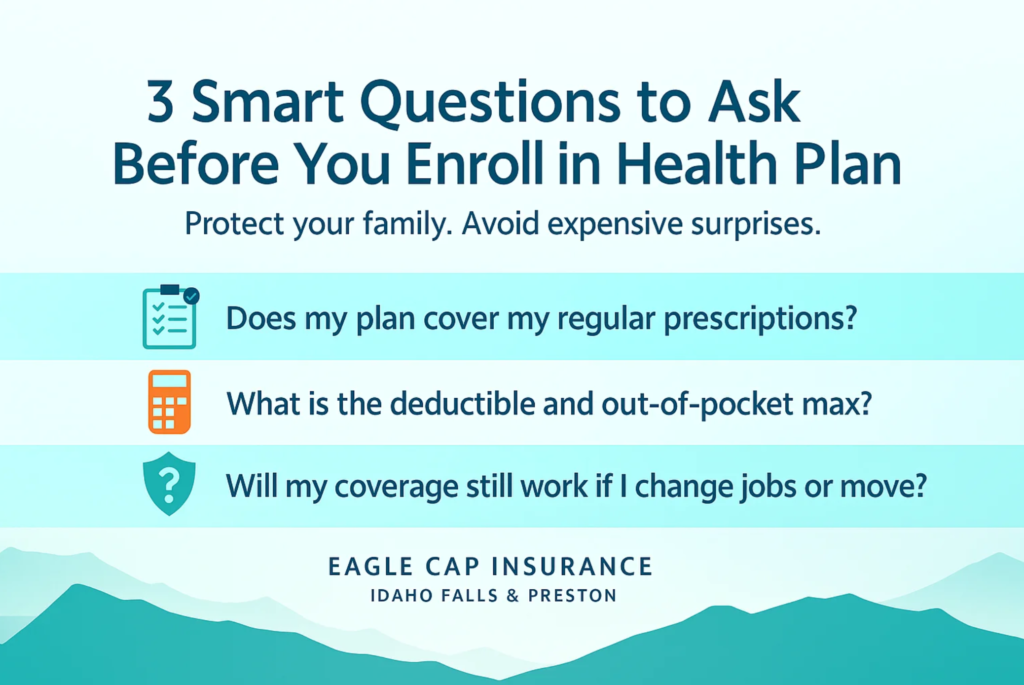
- Evaluating Coverage Needs: Assess personal and family health needs to determine the right level of coverage.
- Considering Financial Capacity: Evaluate your budget for premiums and out-of-pocket costs.
- Ensuring Provider Access: Check that preferred healthcare providers are included in the plan’s network.
For personalized guidance, Eagle Cap Insurance offers complimentary insurance assessments to help clients evaluate these factors effectively.
Resources for Assistance
Idaho residents can access several resources for help with insurance questions:
- Eagle Cap Insurance: A regional provider that offers guidance on Idaho insurance rules and personalized assessments.
- Your Health Idaho: An online resource with information about health insurance options and enrollment.
- Local Agencies: Local agencies and navigators can provide personalized support for complex situations.
These resources simplify the process and support informed decision-making.
Filing Complaints and Seeking Help
When issues arise with an insurer, it helps to know how to file a complaint. Typical steps include:
- Contacting the Insurance Company: Start by contacting the insurer to attempt resolution directly.
- Documenting the Complaint: Keep detailed records of communications and all relevant documents.
- Contacting the Idaho Department of Insurance: If unresolved, escalate the complaint to the Idaho Department of Insurance for further assistance.
Following these steps helps consumers assert their rights and seek an effective resolution.
Frequently Asked Questions
What should I do if my insurance claim is denied?
If your claim is denied, review the denial letter to identify the reasons. Gather documentation, including your policy and any correspondence. Contact the insurer to request clarification and discuss the denial. If you disagree, file an internal appeal with the insurer. If the matter remains unresolved, contact the Idaho Department of Insurance for guidance.
How can I compare different insurance policies effectively?
To compare policies, identify your coverage needs and budget. Use online comparison tools—such as Your Health Idaho for health plans—to evaluate options side by side. Compare premiums, deductibles, coverage limits, and exclusions. Also consider the insurer’s reputation, customer service, and claims process. An insurance agent can provide tailored advice for your situation.
Are there any financial assistance programs for health insurance in Idaho?
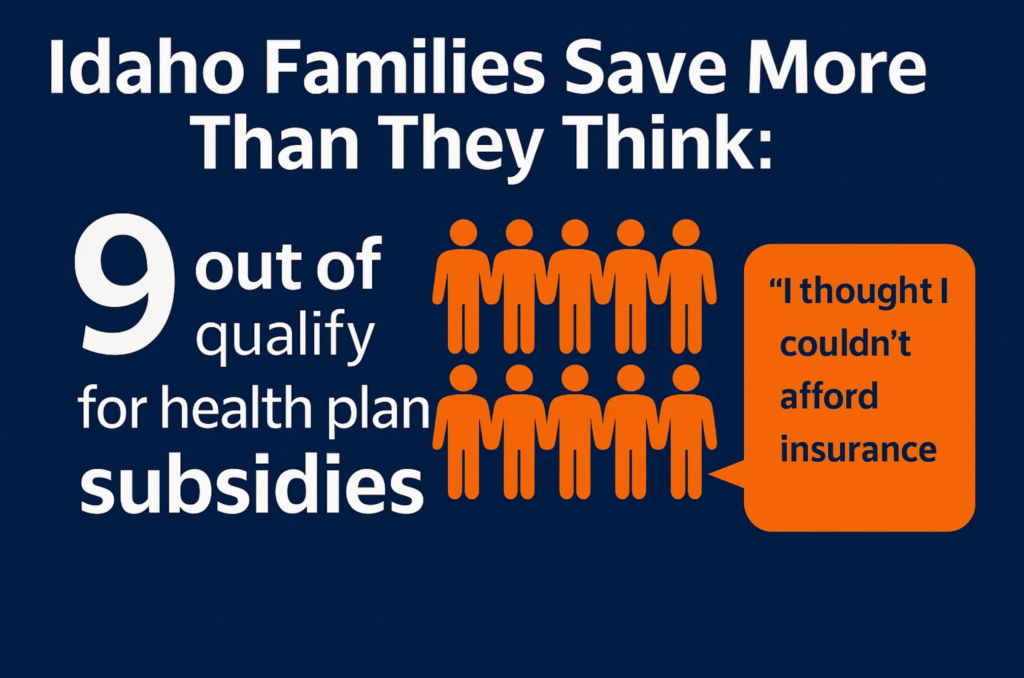
Yes. Your Health Idaho offers subsidies that reduce monthly premiums based on income and household size. Medicaid expansion in Idaho also provides coverage for eligible low-income individuals and families. To determine eligibility, visit the Your Health Idaho website or contact a local insurance navigator.
What are the consequences of not having insurance in Idaho?
Not having insurance creates significant financial risk. Without coverage, individuals can face high out-of-pocket medical expenses that lead to debt. Certain types of insurance, such as auto insurance, are legally required in Idaho; driving without required coverage may result in fines, penalties, or other legal consequences. Appropriate insurance helps protect you and your assets.
How often should I review my insurance policies?
Review policies at least once a year and after major life events—marriage, the birth of a child, or a change in employment. Annual reviews ensure coverage remains suitable and may reveal opportunities for better rates or protection.
What steps can I take if I feel my insurance provider is not treating me fairly?
Document all interactions and retain copies of your policy and claim records. Contact the insurer to explain your concerns and request resolution. If that fails, file a formal complaint with the Idaho Department of Insurance, which can investigate and offer guidance. Consider seeking legal advice if you believe your consumer rights were violated.